
Hotel brand standards are the written description of what a guest should experience at every touchpoint of a brand, from the arrival greeting to the state of the room at turndown. A good set of standards is specific enough that two people looking at the same situation reach the same verdict. GDI audits hotels against brand standards and writes them, and the points below come from that work.
What are hotel brand standards?
A brand standard says what must be true when the guest meets the brand. "The room is clean" is a wish. "The bedside lamps work and the remote control is on the nightstand, in the same place in every room" is a standard. Together, the standards make up the hotel brand standards manual, the reference that operators, department heads and auditors all use.
Standards usually cover how the property looks (rooms, public areas, food and beverage outlets), what it offers (amenities, products, services) and how people behave (greetings, tone, response times). Our brand standards service covers writing and updating all three.
How are brand standards different from SOPs?
A brand standard defines what the guest should experience. A standard operating procedure (SOP) defines how the team delivers it. The standard sets the target, and the SOP is the route to it. Keeping them apart stops a manual from becoming one long document that nobody can maintain.
| Brand standard | SOP | |
|---|---|---|
| Answers | What should the guest see or get? | How does the team do it, step by step? |
| Example | The beverage station is ready 30 minutes before service opens. | Switch on the machine, fill the syrups, stock the cups, wipe the counter. |
| Used by | Brand, operations and auditors | The team on shift, and trainers |
| Changes when | The brand promise changes | The way of working changes |
Each standard should point to the SOP that delivers it. We write both: see SOP development, and the hotel SOP template guide for the SOP side.
How should you structure a brand standards manual?
Organize standards by department first, then by sub-department. A reader should find a standard by asking "who delivers this?" Typical top-level groups are front office, housekeeping, food and beverage, engineering, spa and recreation, and events. Under food and beverage you might have breakfast, beverage stations, in-room dining and bars.
- Give every standard a short, stable code so it can be cited in audits and linked from SOPs.
- Tag each standard with its department and sub-department, and with keywords people search for.
- Keep one standard to one idea. If a standard has three unrelated checks, split it.
- Put room-level standards in their own group, with room setup and inventory placement shown by photo. See hotel room setup standards.
What should each standard contain?
A complete standard is a record, not a sentence. We recommend seven fields:
- The standard: one plain statement of what must be true.
- Why it matters: the guest or brand reason, so teams understand it rather than just obey it.
- Measurable specification: the quantities, positions, timings or conditions that can be checked.
- Photo or video: the correct result, shown. Where a position matters, a picture removes all doubt.
- Owner: the role responsible for it, not a named individual.
- Linked SOP: the procedure that tells the team how to deliver it.
- How it is audited: what an inspector looks at, and what counts as a pass.
The example below uses a fictional hotel and example values to show all seven.
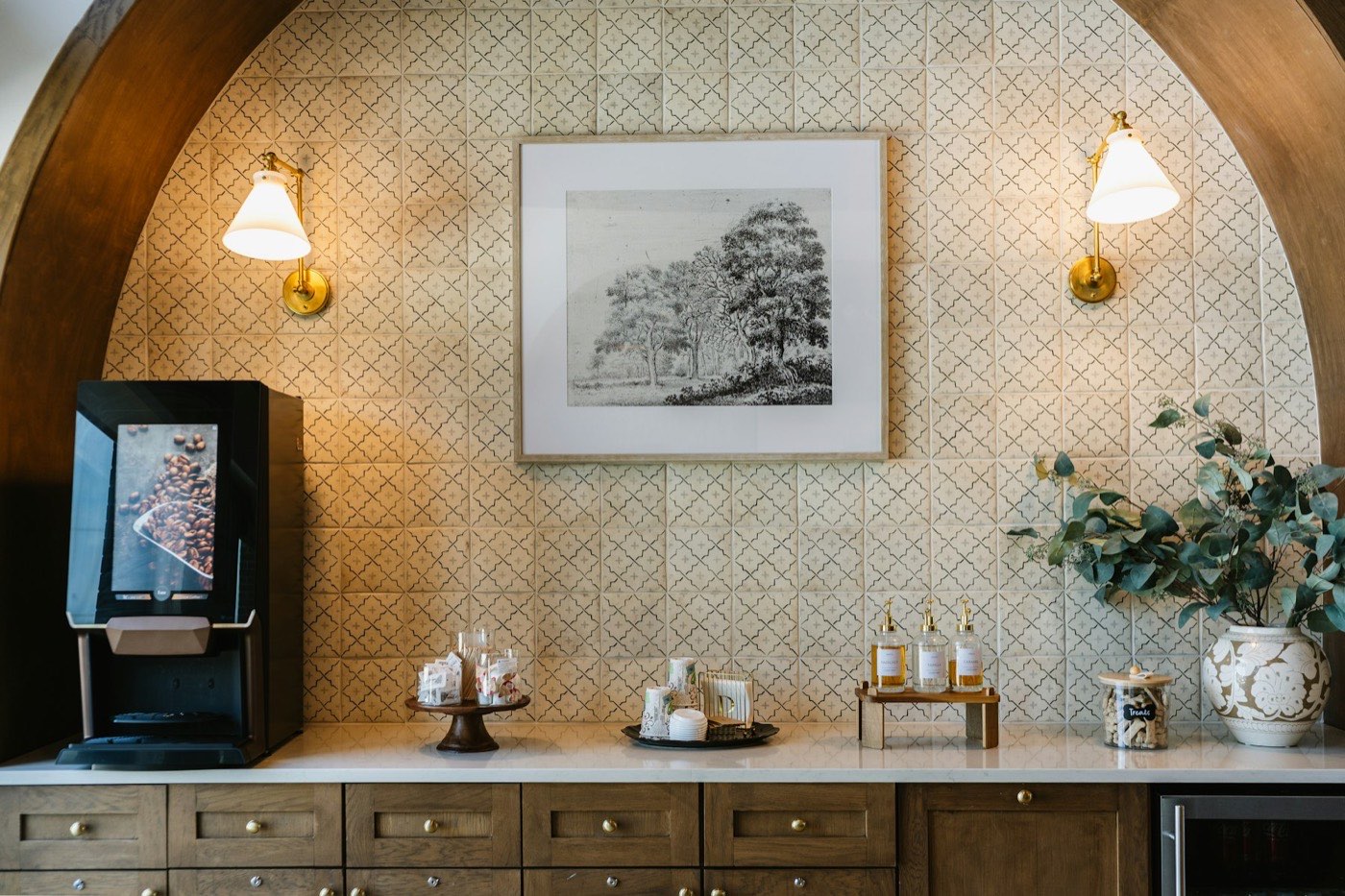 Walkthrough video, example
Beverage station setup
The beverage station is complete, clean and ready for guests before service opens.
- Why it matters
- It is the first thing many guests use at breakfast. A missing item or a wet counter signals that the hotel is not ready for them.
- Specification
- Ready 30 minutes before service opens (example value)
- Three syrups, labels facing the guest, in the order shown in the photo
- At least 20 cups with matching lids stocked (example value)
- Drip tray empty, counter dry, no stains on the machine front
- Owner
- Lobby host
- Linked SOP
- FB-07 Beverage station service
- How it is audited
- Inspector checks the four specification points against the photo at the pre-opening visit. Pass means all four are met.
How do you word a standard so it can be checked?
Write what an inspector could observe, count or measure. Three habits help.
- Be specific. Replace "enough cups" with a quantity, and "promptly" with a time.
- Be observable. Describe what can be seen or heard, not an attitude. "Greets the guest within the first moments, with eye contact and the guest's name where known" can be checked. "Is friendly" cannot.
- Be testable. If two inspectors could disagree, tighten the wording or add a photo.
Use active voice, one requirement per line and the same terms throughout. Avoid words such as "appropriate", "adequate" and "neat" unless the specification defines them.
Who should help write the standards?
The people who deliver the standard every day. Brand teams know the promise, but operators know what is possible on a busy morning. Many hotels run short workshops by department, observe the work on site, then draft the standards and ask department heads and process owners to review them. A standard that the team helped shape is easier to follow and easier to defend in an audit. This is how we work at GDI: standards are developed with your own teams, in your format.
When should you update brand standards?
Standards fall out of date quietly, so set clear triggers.
- A rebrand. New visuals, tone or products change many standards at once. Plan for updating brand standards after a rebrand as a project, not a patch.
- A new owner or operator. Review what is written against how the hotels really run.
- A renovation. New layouts and finishes change room setup and placement.
- Audit gaps. If auditors keep finding the same issue, the standard may be unclear rather than ignored.
Record what changed, who approved it and when, so teams can trust that they are using the current version.
How are standards used in inspections and audits?
Standards are the yardstick for three kinds of checks. Teams run self-inspections against them between visits. Mystery audits test whether a guest actually experiences the standard. Brand compliance reviews compare each property with the brand as a whole. GDI audits hotels against standards, and the clearest audits come from standards that already say how they will be checked. The same standards also support onboarding and ongoing training.
Where do digital tools help?
A binder or a shared folder works for a handful of standards. Beyond that, people need to find the current version quickly, see the photo, follow the link to the SOP and know when something has changed. A digital library holds each standard as a record with its department tags, media and linked SOP, and notifies the right people when it is edited. GDI's digital ecosystem does this for brand standards and SOPs, with version history and role-based access.
Start small. Pick one department, write ten standards as full records, test them with the team and an inspector, then extend the format to the rest.