Create SOPs
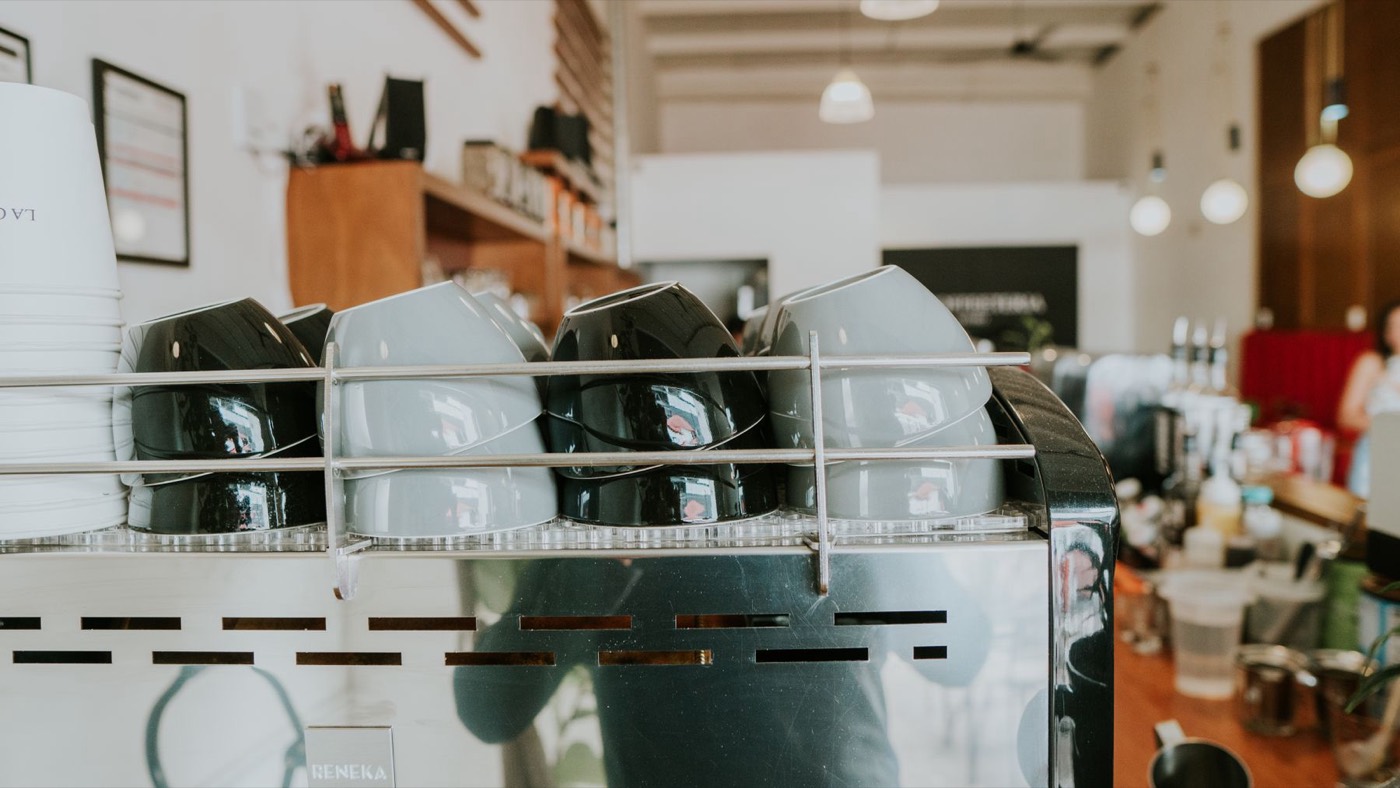
Department by department, step by step, linked to the standards each procedure delivers. We write them with the people who do the work.

We create the SOPs your hotels are missing and update the ones that have drifted. Each procedure is written step by step, linked to the brand standard it delivers, and digitized once it is right.
Procedures are written for each department, so the people doing the work can follow them.
Department by department, step by step, linked to the standards each procedure delivers. We write them with the people who do the work.
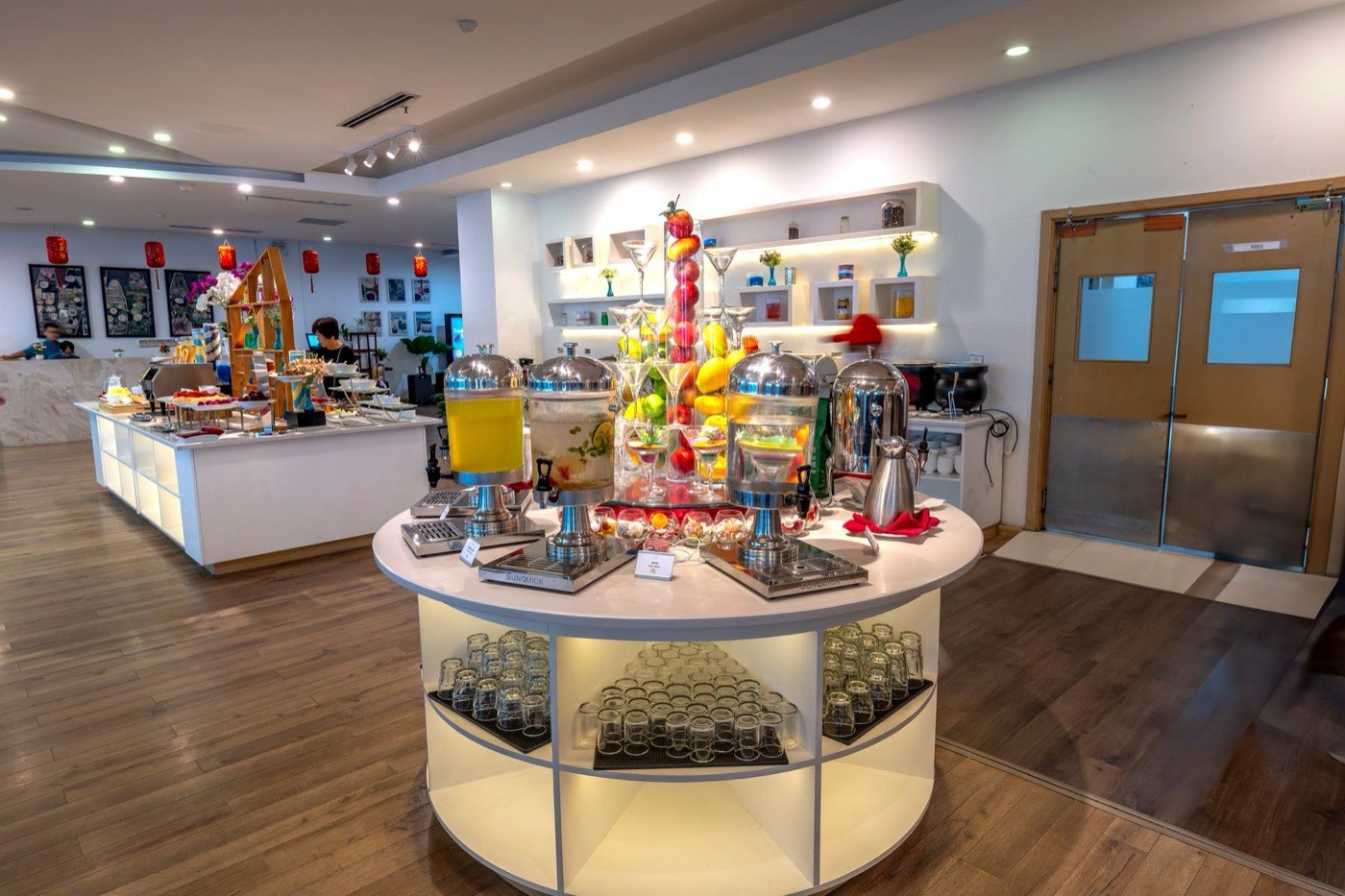
We check procedures against real practice, remove what is outdated, close the gaps and keep each SOP matched to the standard it supports.
Department by department, for example
A short procedure a team member can follow, with a clear link back to the standards it delivers.
Illustrative example. The SOP and its details are fictional.
SOP FB-07 Food and beverage
Delivers these brand standards
Four steps, in this order. Standards and SOPs are handled together so they stay linked.
We learn how each department works today and collect the SOPs and standards you already have.
We write what is missing and update the rest, checking each SOP against real practice and removing what is outdated.
SOPs go into the GDI platform and, where it helps, become picture-step or video SOPs.
Update once, notify the right people, and keep a full history of every change.
In GDI's digital ecosystem, SOPs are searchable and linked to the brand standards they support. Upload them as PDF, Word or Excel, or let us convert them into picture-step and video SOPs. Update an SOP and the platform notifies the people who need to know.
Something else? Write to [email protected].
Yes. We update existing SOPs so they match the standards they support. The GDI platform accepts SOPs in PDF, Word or Excel, so you do not need to rewrite them first. If nothing is written yet, we create them with you.
A brand standard defines what the result should be. The SOP is the step-by-step procedure that tells each team how to deliver it. We write them together and link each SOP to the standards it supports.
We check procedures against real practice, remove what is outdated and close the gaps, so the SOP describes the work as your teams do it.
Yes. After the SOPs are written, we can convert them into picture-step and video formats, so a new team member can follow them on the floor instead of reading pages of text.
Tell us which departments run on written procedures, which do not, and where practice has moved on. We will suggest where to begin.